In baseball, confidence is key, but some players take it to a whole new level. These guys didn’t just believe they were stars; they thought they were the entire franchise. Face of the team, leader of the clubhouse, captain of the ship… except it didn’t quite play out that way.
These MLB players never quite lived up to the franchise-player status they claimed, whether it was because of poor timing, inflated egos, or just plain bad luck. Here are 20 ballplayers who thought they were the whole show, only to realize the lights weren’t shining just on them.
20. Yasiel Puig
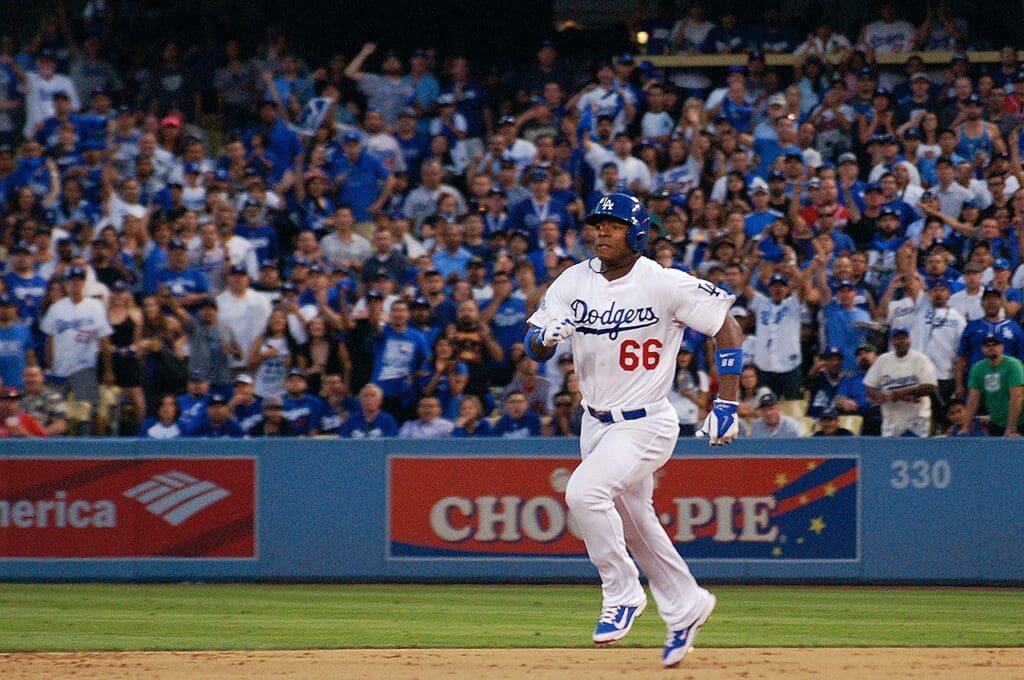
Puig burst onto the scene like a rock star and immediately acted like the Dodgers were his team. The energy was electric, but the consistency never followed.
19. Ian Desmond
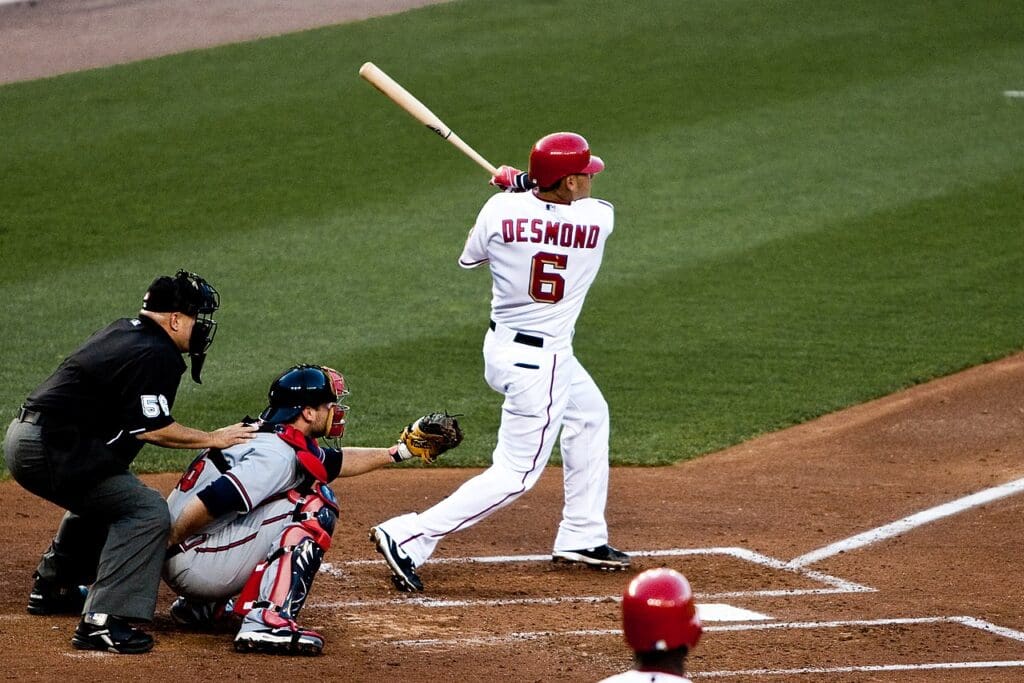
When he signed that big deal with the Rockies, Desmond acted like he was about to lead a revival in Denver. Instead, he never found a rhythm, and the revival never arrived.
18. Josh Hamilton

For a minute, it looked like Hamilton was the Rangers. But his fall from grace came fast, and Texas moved on just fine without him.
17. Jason Heyward
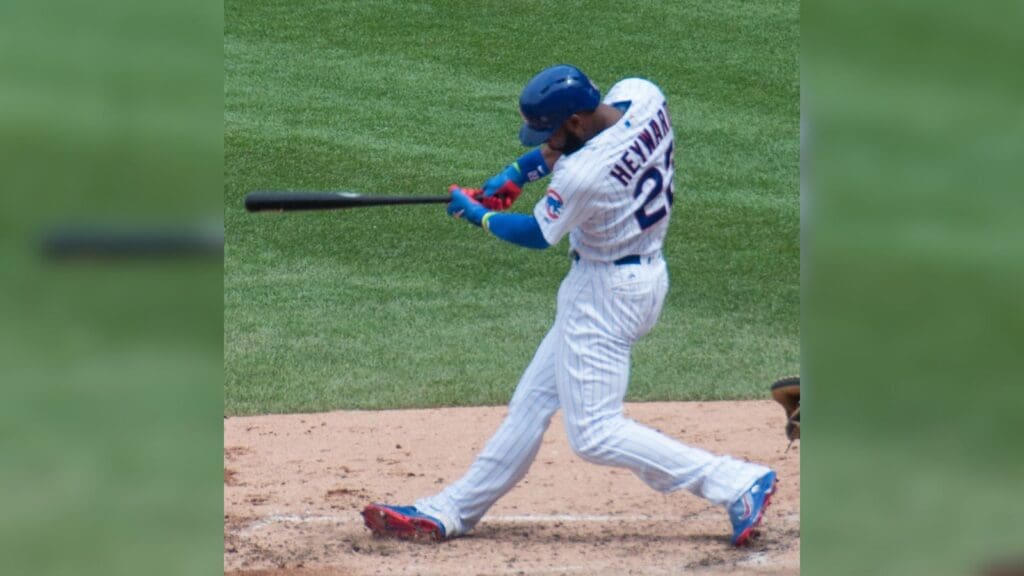
The Cubs gave Heyward the bag and the keys to the outfield. What they didn’t get was franchise-level production.
16. Trevor Bauer
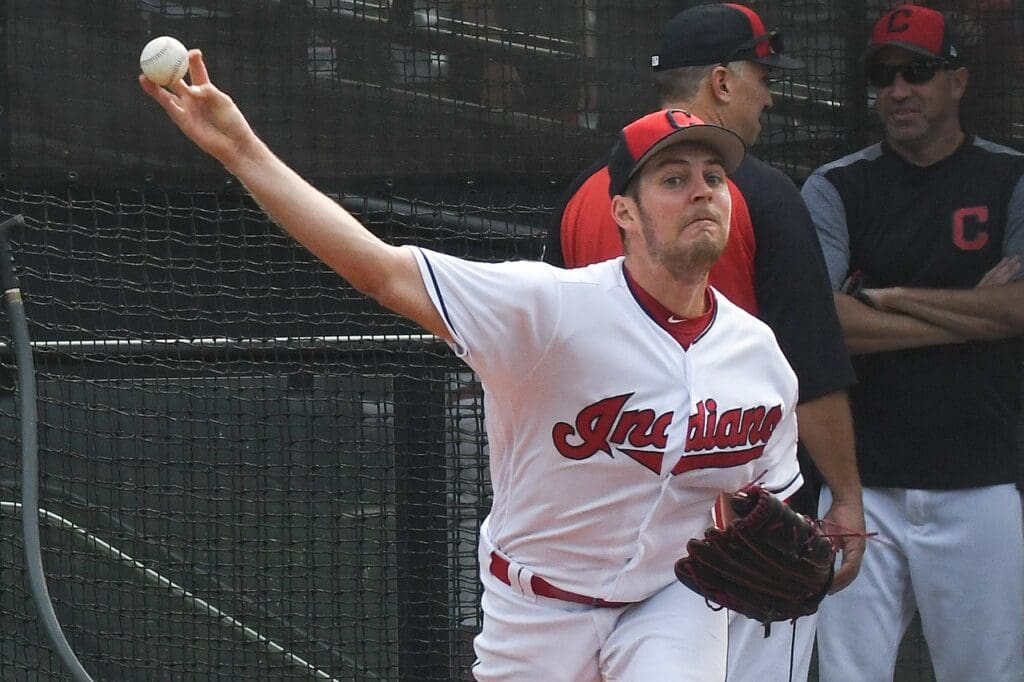
He tried to be the ace, the influencer, and the icon—all rolled into one. But controversy and inconsistency derailed any hopes of franchise-player status.
15. Yoenis Céspedes
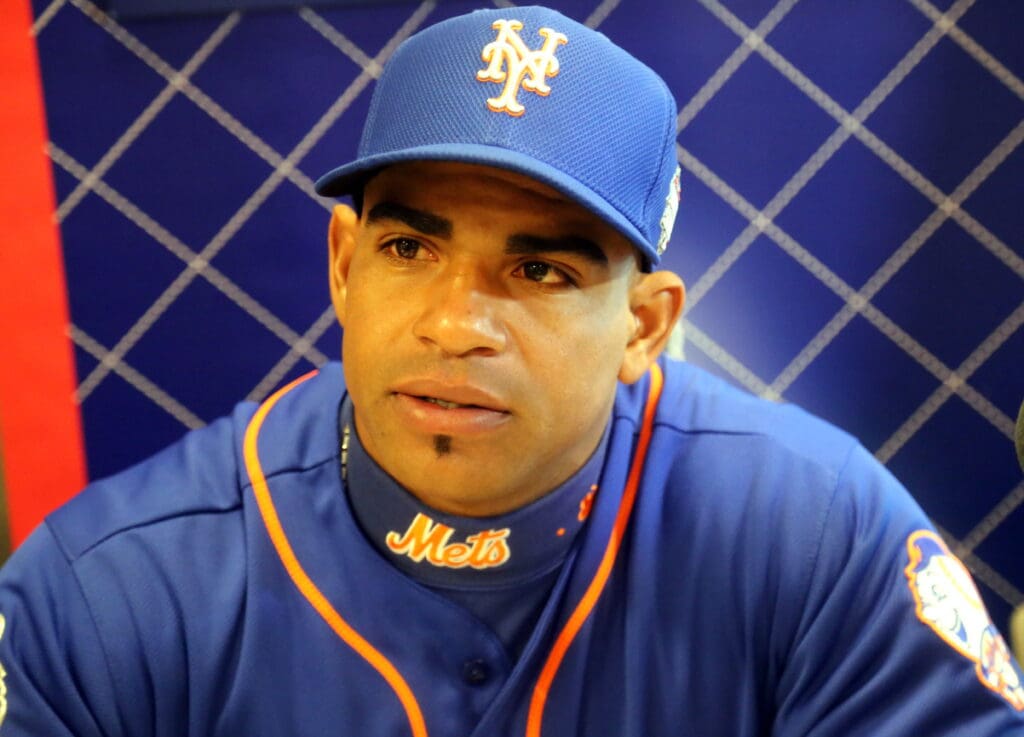
Between the flashy cars and the moonshot home runs, Céspedes looked the part in New York. He couldn’t stay healthy long enough to prove he was the part.
14. B.J. Upton

When B.J. landed in Atlanta, the hype was real. But his time with the Braves was anything but franchise-worthy.
13. Rick Porcello

Porcello had one magical Cy Young season and rode that rep too long. He wasn’t a bad pitcher—never the guy to build around.
12. Hanley Ramírez
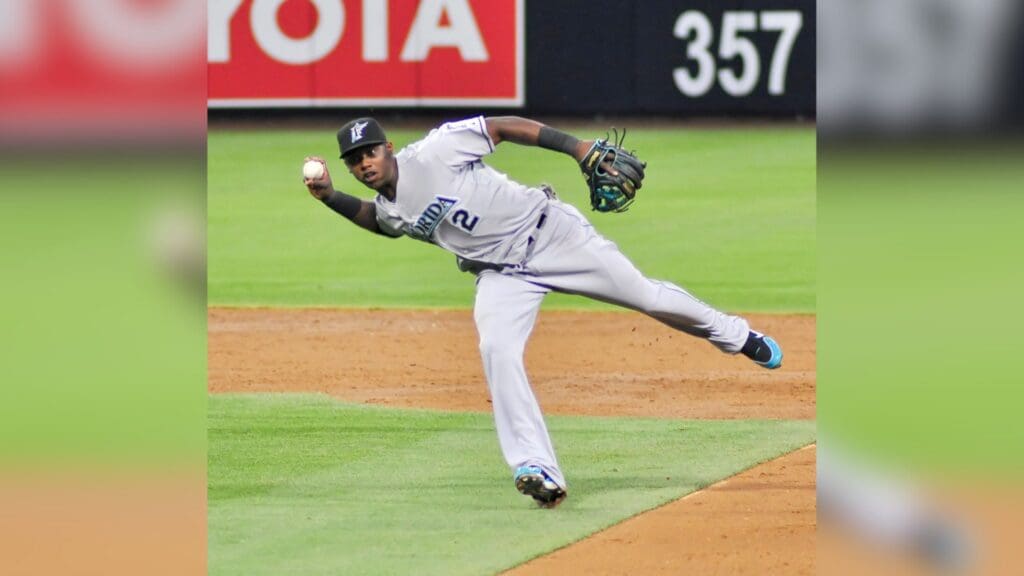
Hanley carried himself like a cornerstone wherever he went. But most teams were left wanting more consistency and fewer antics.
11. Matt Harvey
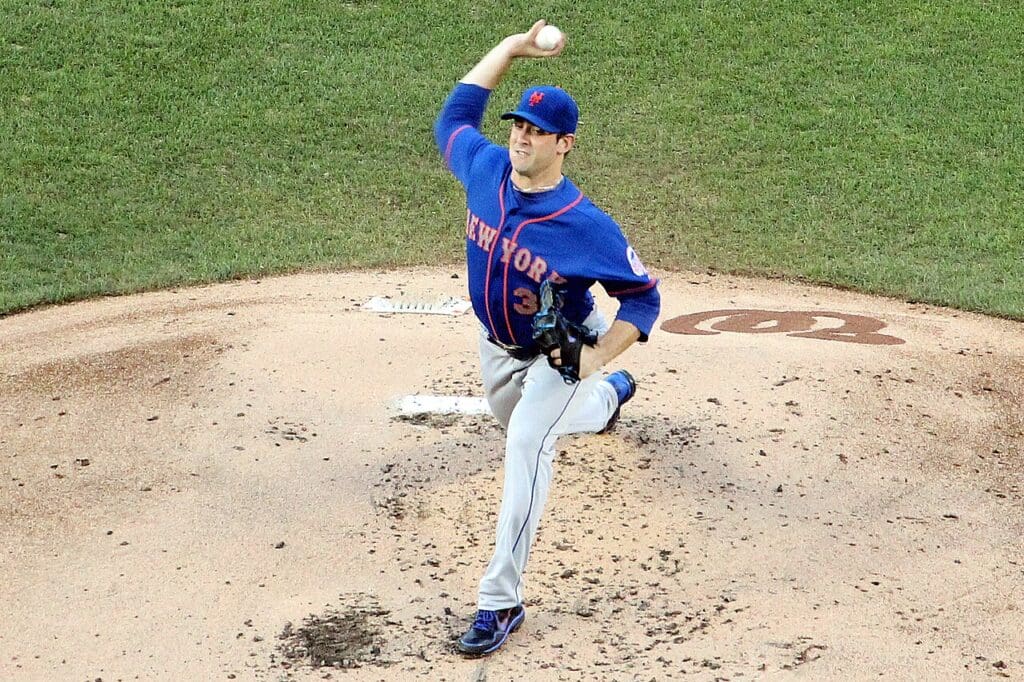
The “Dark Knight” era in New York had real potential. But after a quick rise, Harvey flamed out before he could truly take the reins.
10. Delmon Young
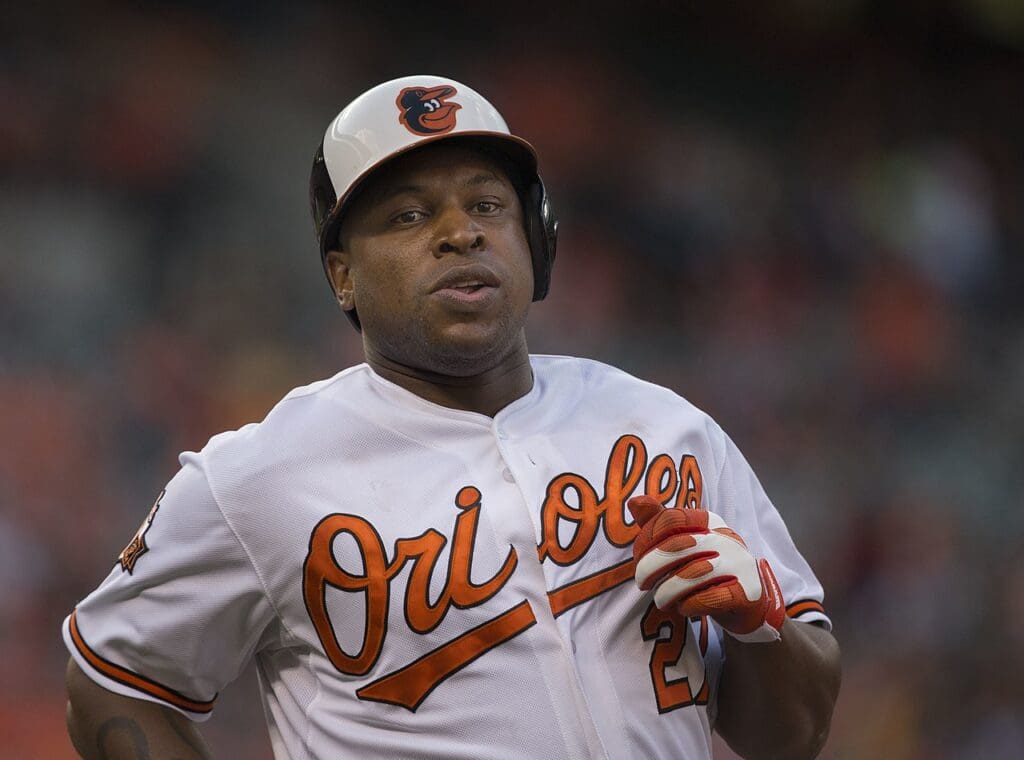
Young seemed on the verge of stardom and acted like he had arrived. It turns out that potential doesn’t make you the face of the team; production does.
9. A.J. Pierzynski
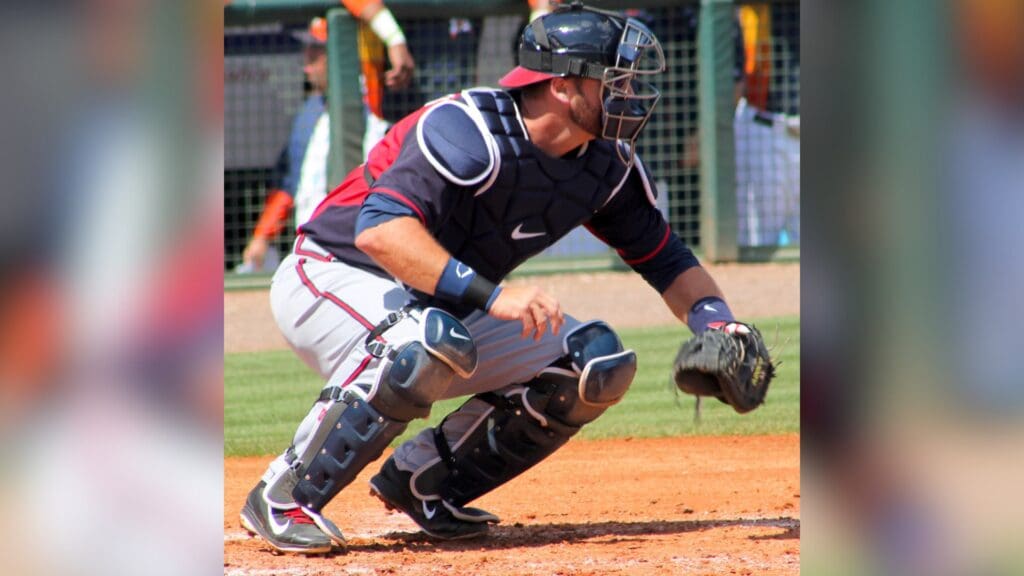
Pierzynski had the attitude and edge of a clubhouse leader. But being loud doesn’t automatically make you the cornerstone.
8. Jonathan Papelbon
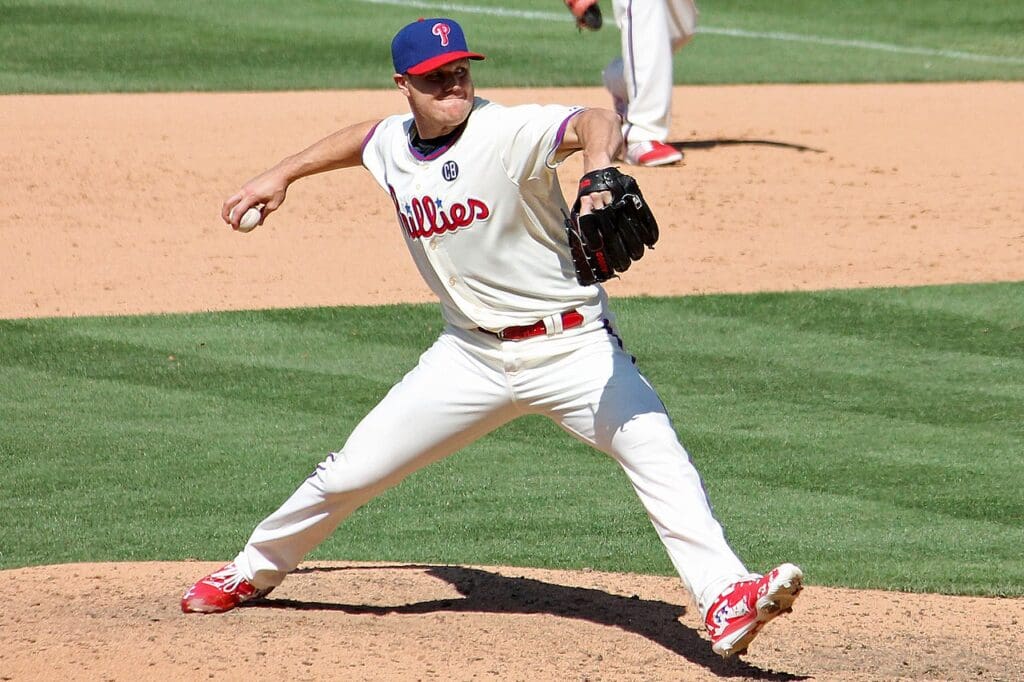
He acted like the heartbeat of every bullpen he entered. But more often than not, his personality overshadowed his performance.
7. Eric Hosmer

Hosmer cashed in and stepped into the Padres’ clubhouse like their veteran savior. Unfortunately, his on-field impact never lived up to the leadership aura.
6. Carl Crawford
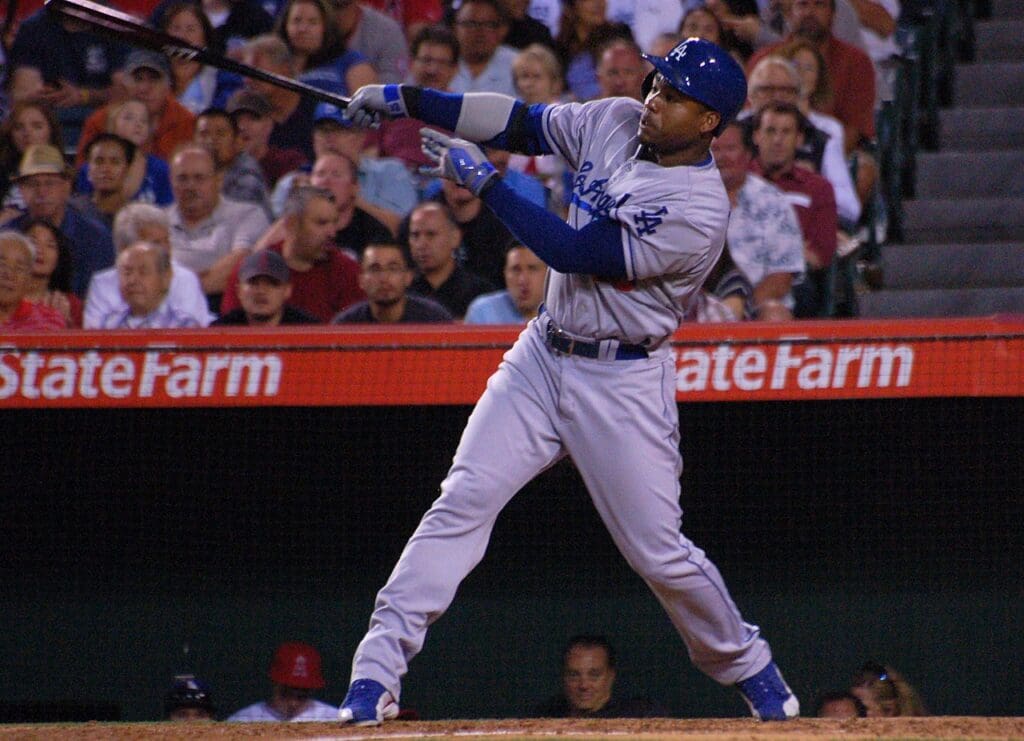
The Red Sox thought they were getting a franchise cornerstone. Crawford played like a role player with a superstar contract.
5. Starlin Castro

Castro was once seen as the next big thing in Chicago. But as the team evolved, it became clear he wouldn’t be the one to carry them there.
4. Jose Reyes
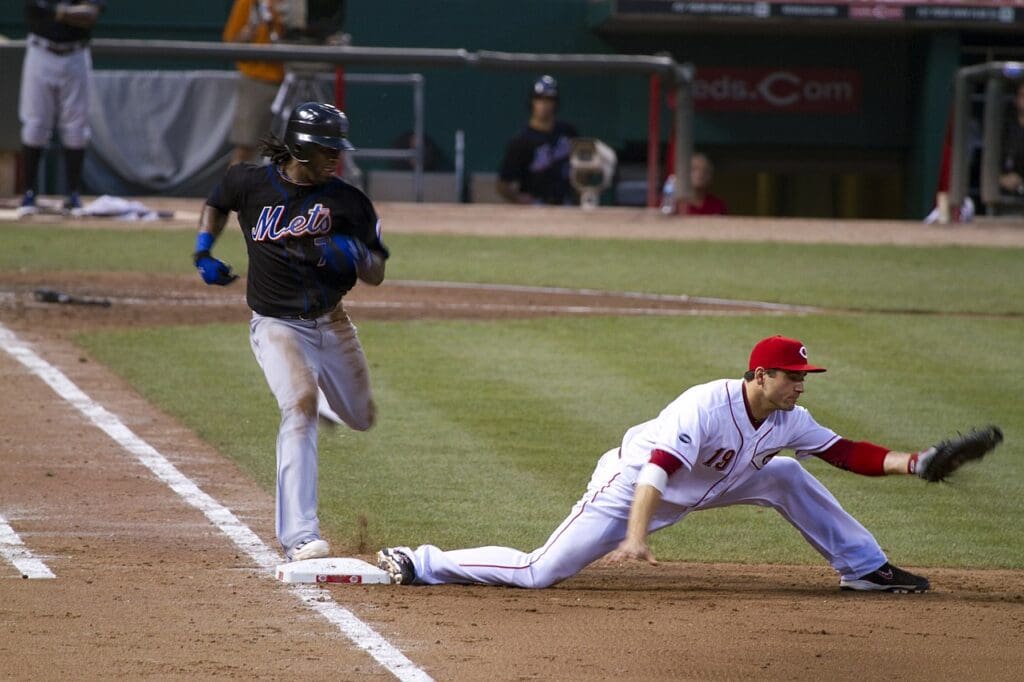
Reyes had speed, flash, and confidence in abundance. But his teams always seemed to be searching for their real face of the franchise.
3. Javy Báez
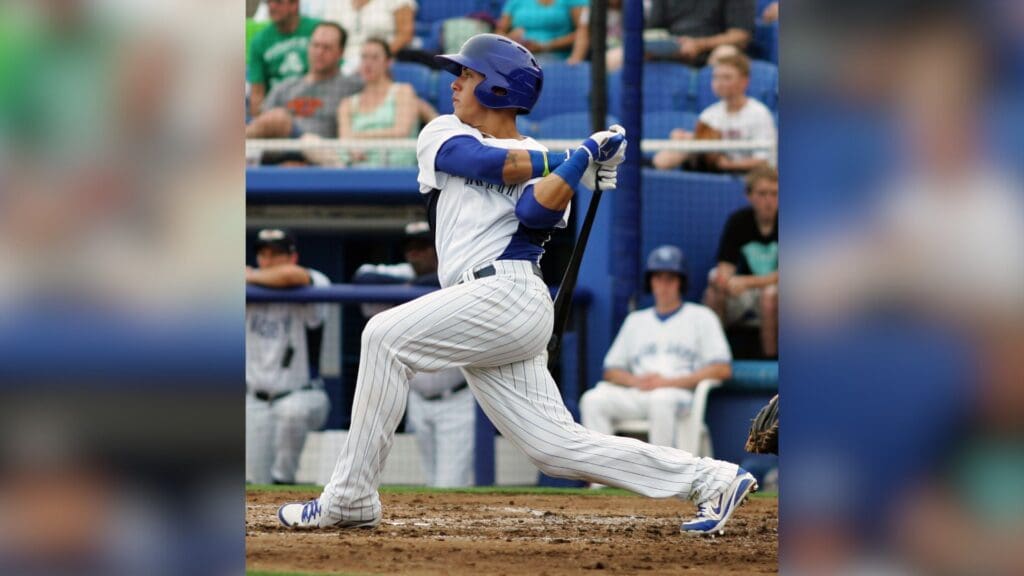
The flair, the slides, the swagger—it all screamed superstar. But when it came to being the guy day in and day out, Javy never fully stepped up.
2. Manny Machado (in Baltimore)

In Baltimore, Machado carried himself like the centerpiece of the Orioles’ future. Then he left, and the franchise reset without looking back.
1. Nick Castellanos
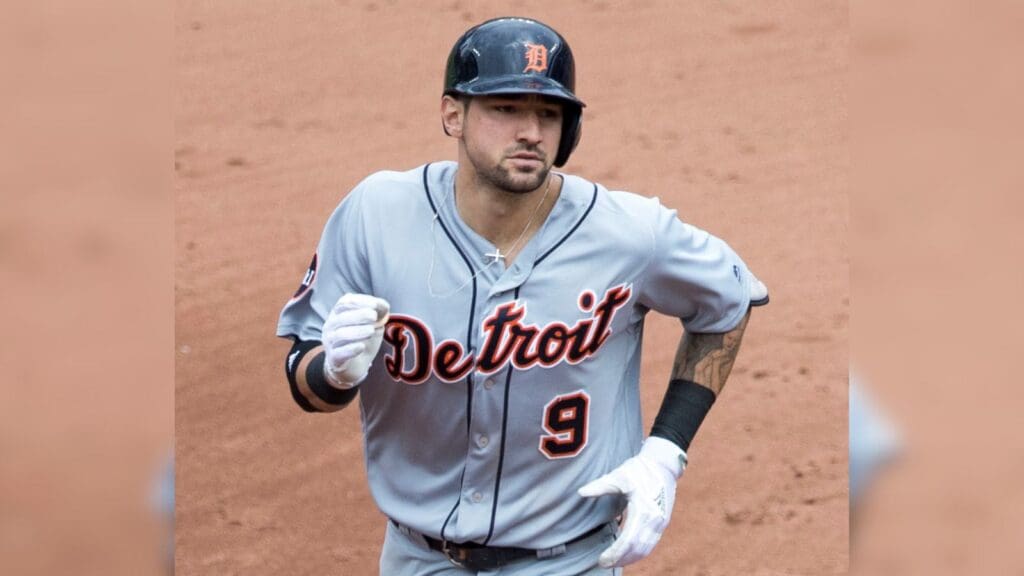
Castellanos plays with the confidence of a franchise player and talks like one, too. But he’s best as a supporting act, not the entire marquee.