Improving hand-eye coordination is essential for both everyday tasks and excelling in various sports and activities. Engaging in specific gaming exercises can significantly enhance this skill, leading to better reaction times and overall performance.
Here are 15 gaming activities designed to boost your hand-eye coordination. Each activity includes a photo to help visualize the exercise.
1. Table Tennis
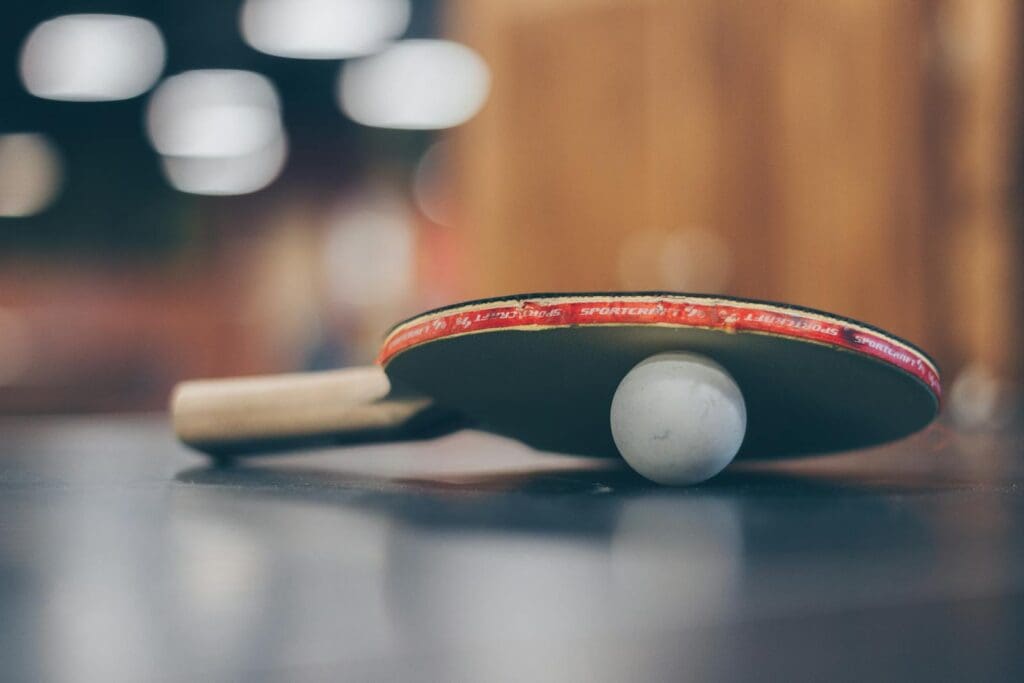
Playing table tennis requires quick reflexes and precise movements. The fast-paced nature of the game forces players to constantly adjust their hand positions based on visual cues, thereby enhancing hand-eye coordination. Regular practice can lead to improved reaction times and better control over fine motor skills.
2. Juggling
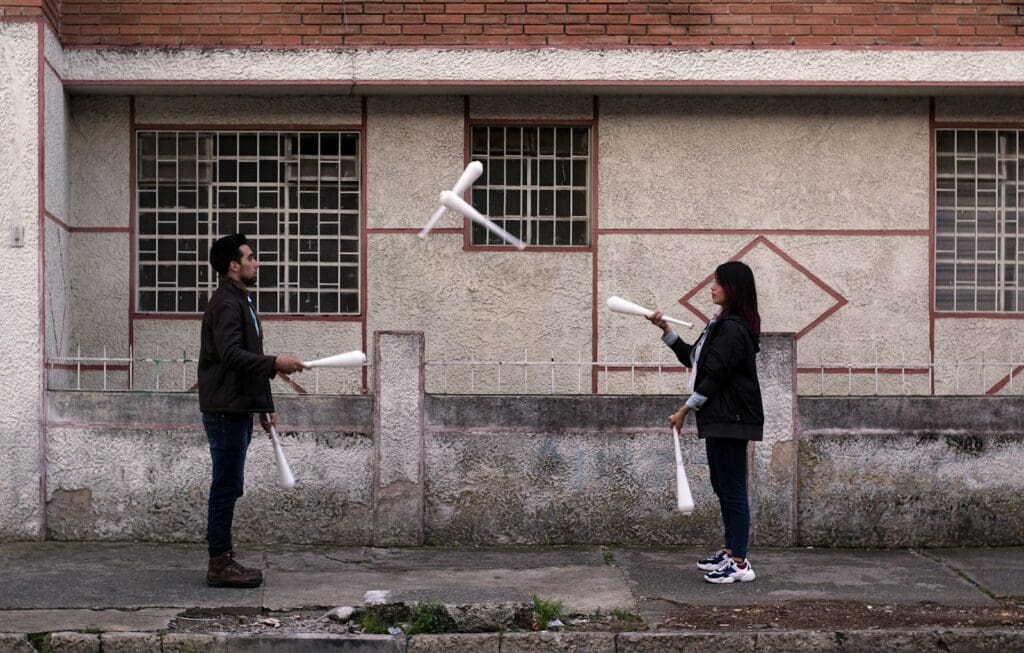
Juggling challenges your brain to track multiple objects simultaneously while coordinating hand movements to catch and throw. This activity not only improves hand-eye coordination but also enhances concentration and spatial awareness. Starting with two balls and gradually adding more can help build this skill effectively.
3. Video Games
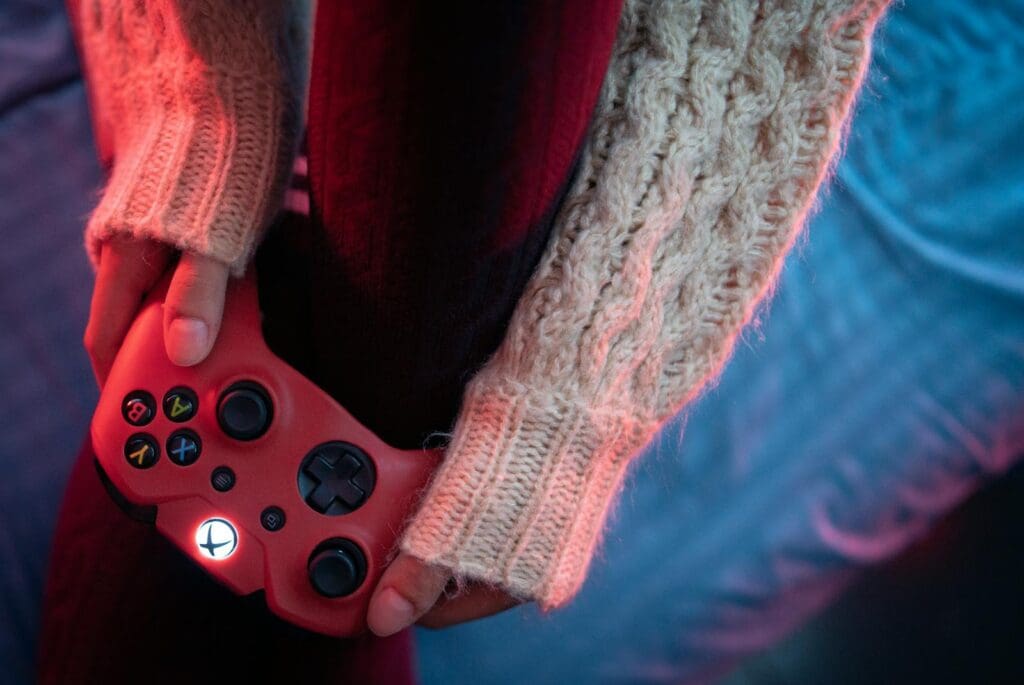
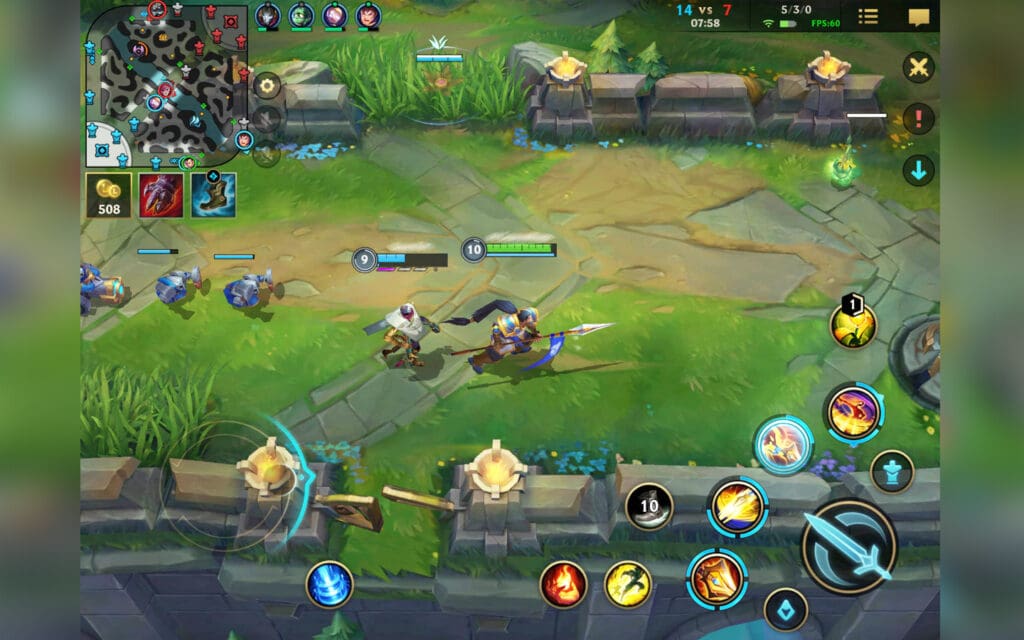
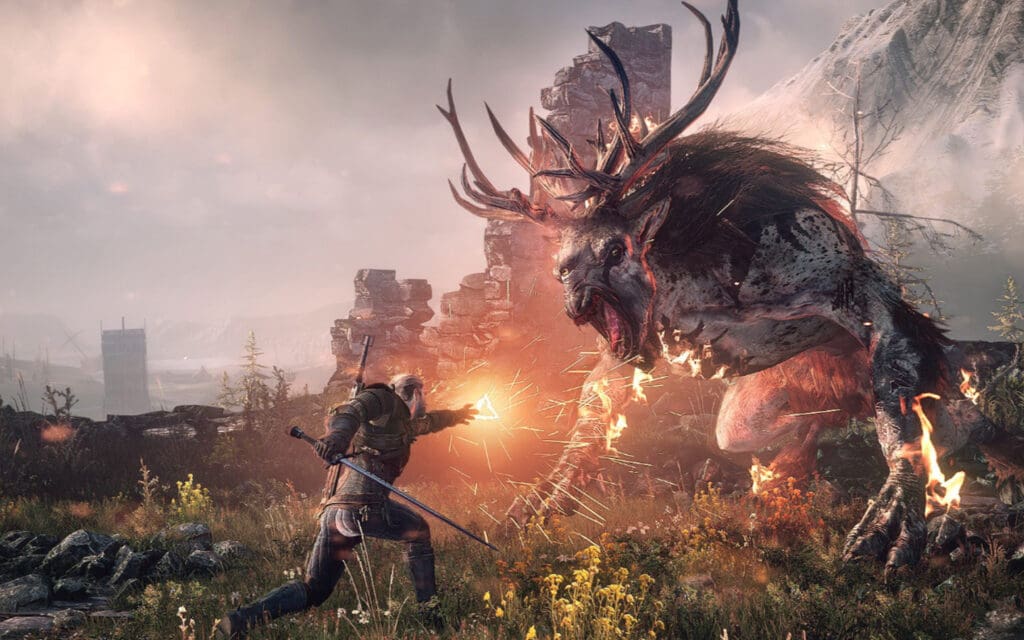
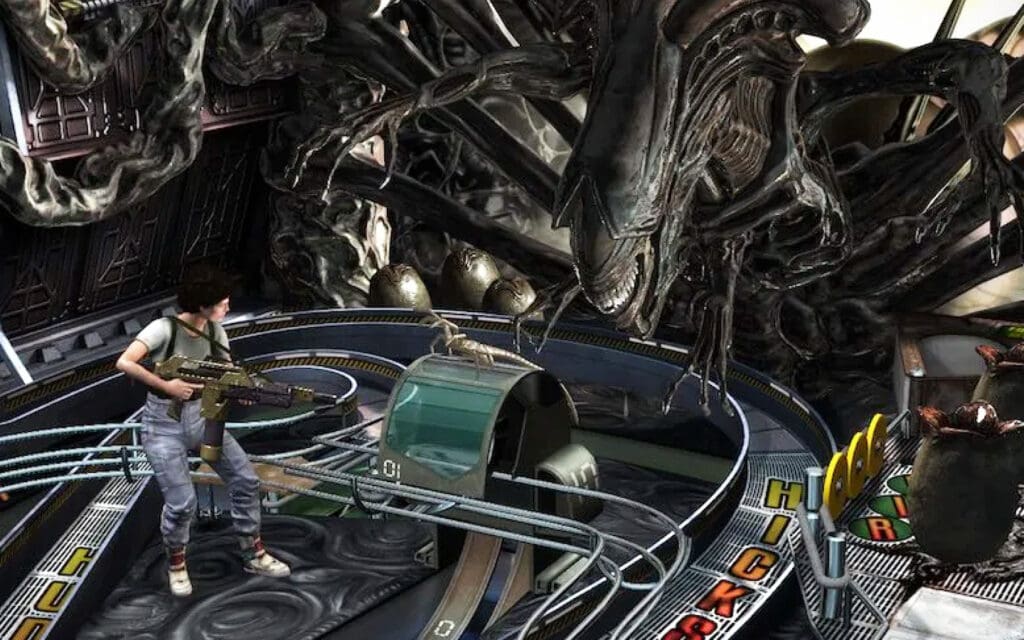
Certain video games, especially action and rhythm-based games, demand rapid responses and precise timing. Playing these games can enhance hand-eye coordination by requiring players to process visual information quickly and translate it into accurate hand movements. Games like “Street Fighter IV” have been noted for their benefits in sharpening coordination and reflexes.
4. Basketball Dribbling Drills
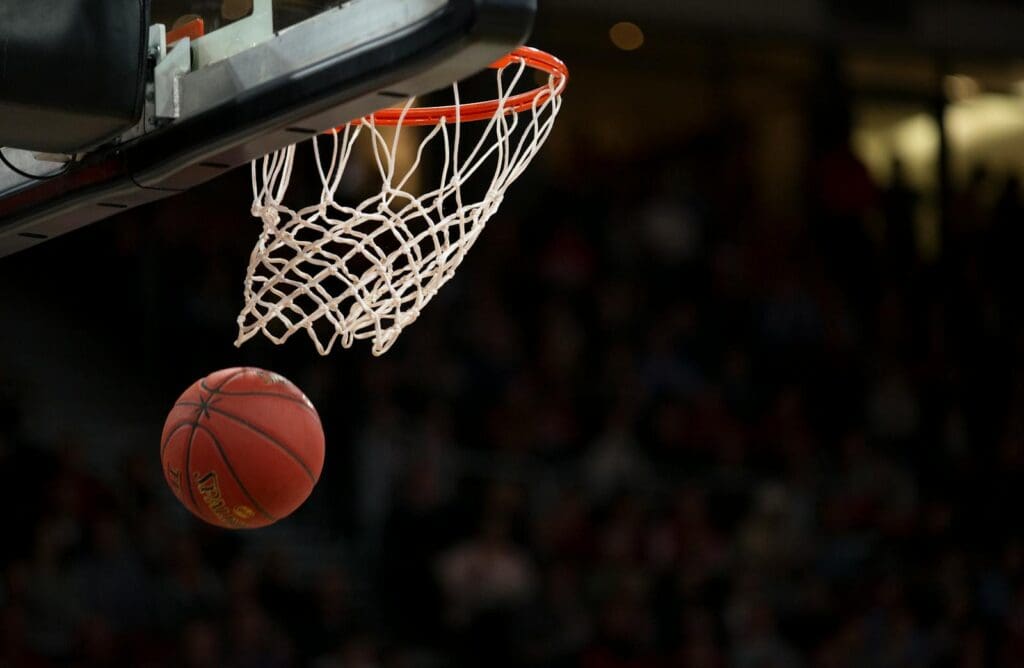
Practicing dribbling drills in basketball, such as alternating hands or dribbling two balls simultaneously, can significantly boost hand-eye coordination. These exercises require players to maintain control of the ball while keeping their eyes up, enhancing their ability to coordinate hand movements with visual input.
5. Playing Catch
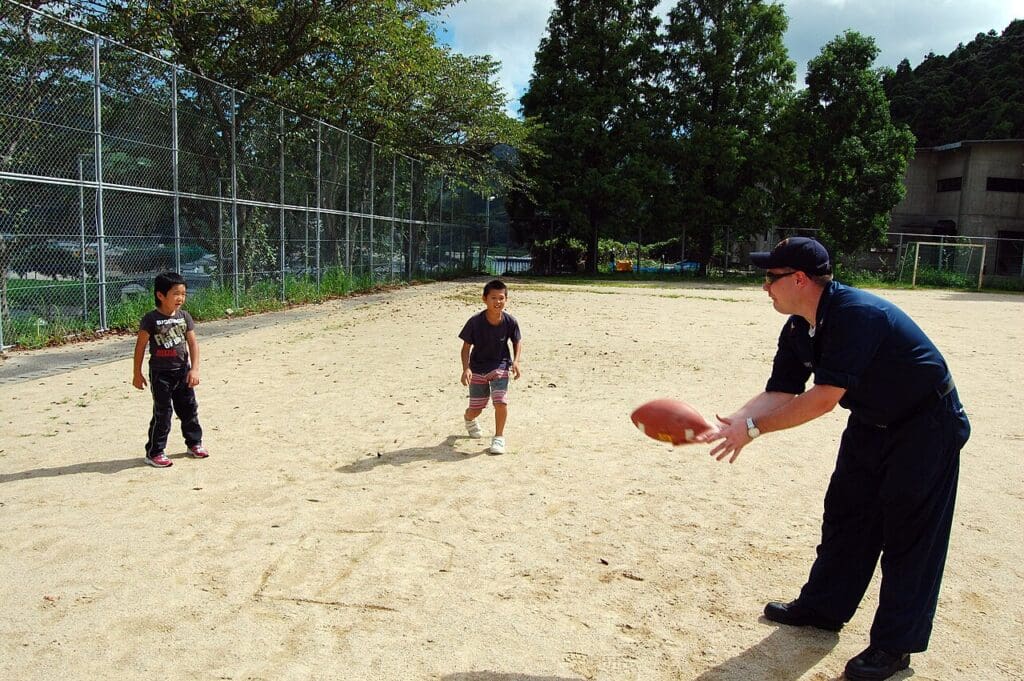
A simple game of catch helps develop tracking skills and timing. By focusing on the ball’s trajectory and adjusting your hand position to catch it, you train your brain and muscles to work together more efficiently. This foundational exercise is beneficial for individuals of all ages.
6. Speed Bag Training
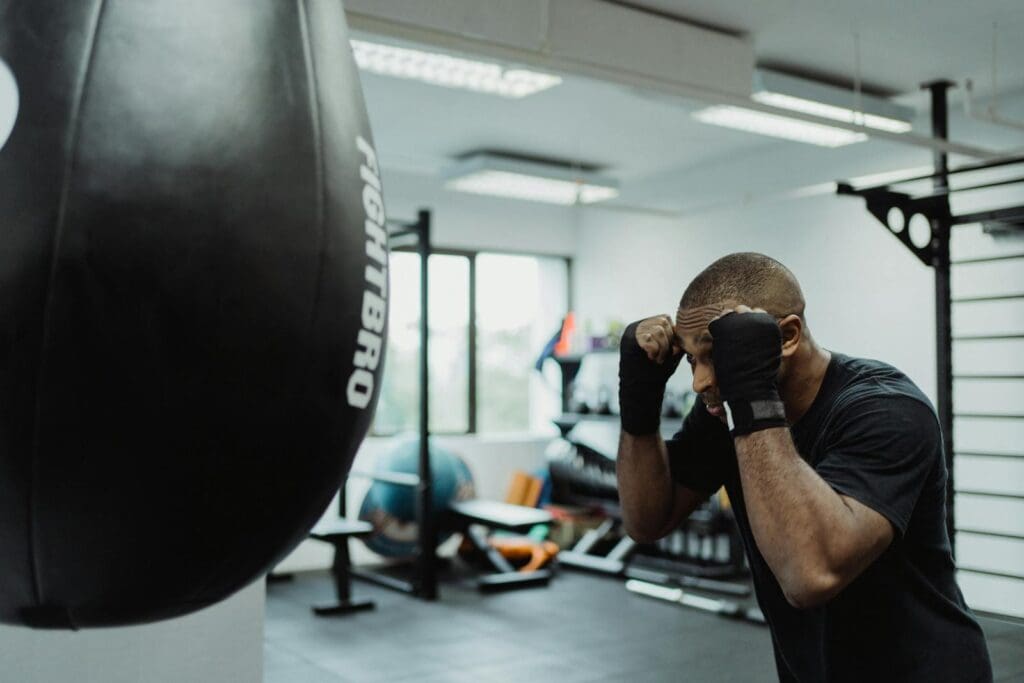
Using a speed bag requires rhythm, timing, and precision. The repetitive nature of striking the bag enhances hand-eye coordination by forcing you to synchronize your punches with the bag’s movement. Over time, this can lead to improved reaction speeds and better control in various physical activities.
7. Jump Rope
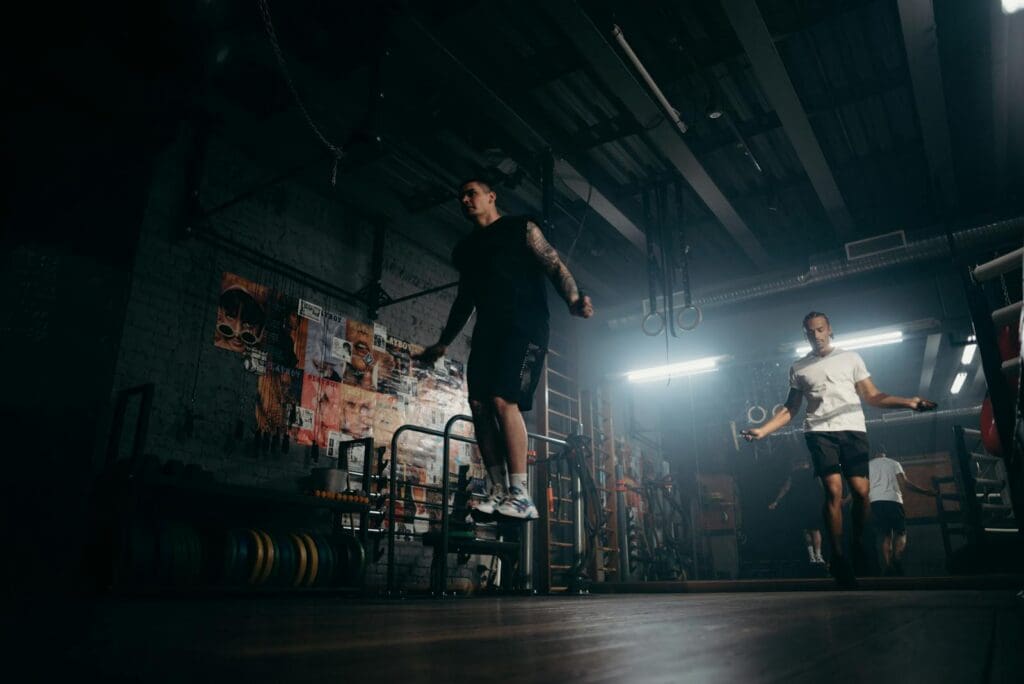
Jumping rope is an effective way to improve coordination between your eyes, hands, and feet. The activity demands precise timing to ensure the rope passes under your feet as you jump, enhancing overall coordination and rhythm.
8. Sport Stacking
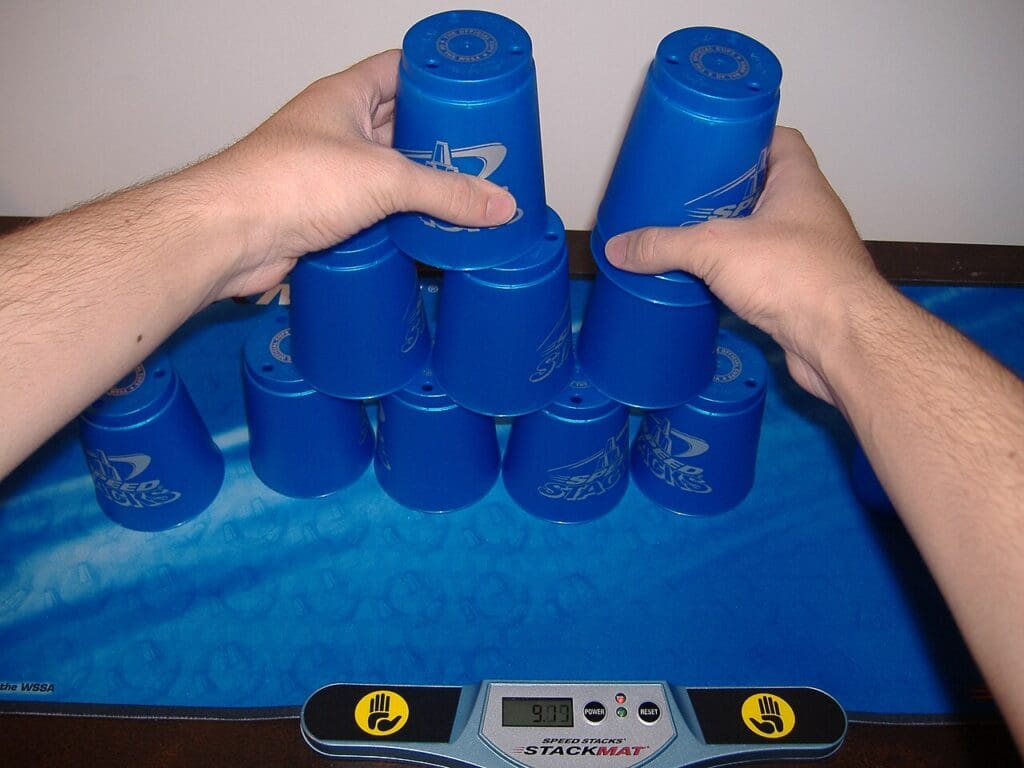
Sport stacking involves quickly stacking and unstacking cups in specific sequences. This activity boosts hand-eye coordination by requiring fast, precise hand movements and visual tracking. Studies have shown that sport stacking can improve reaction time and coordination.
9. Darts
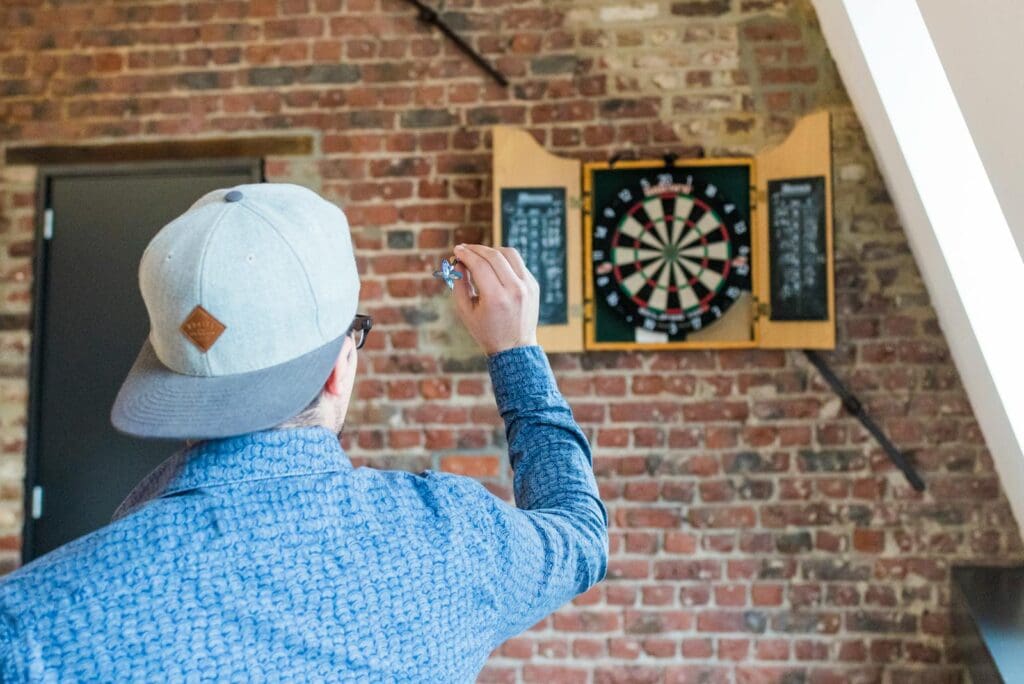
Playing darts enhances precision and focus. Aiming and throwing darts at a target require fine motor control and visual alignment, which contribute to better hand-eye coordination over time.
10. Hula Hooping
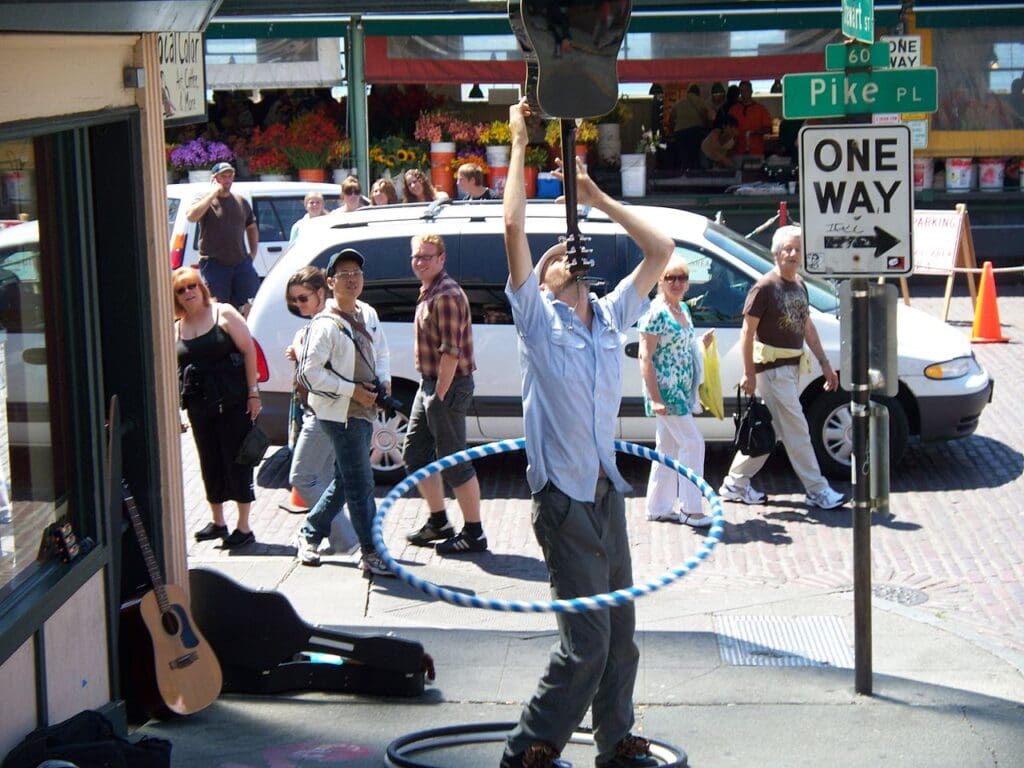
Keeping a hula hoop spinning engages core muscles and requires rhythmic coordination between visual cues and body movements. This fun activity can improve overall coordination and balance.
11. Virtual Reality (VR) Games
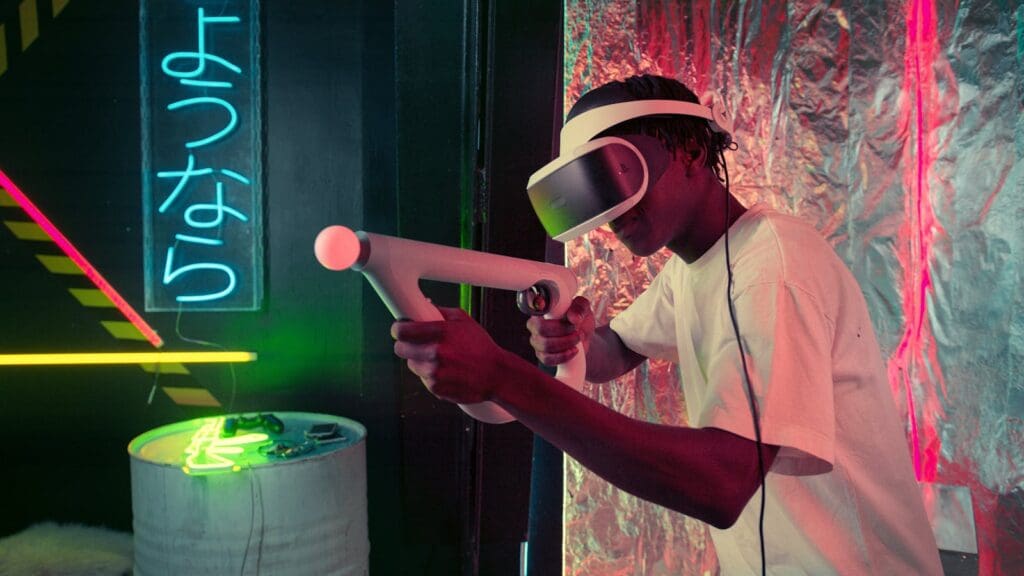
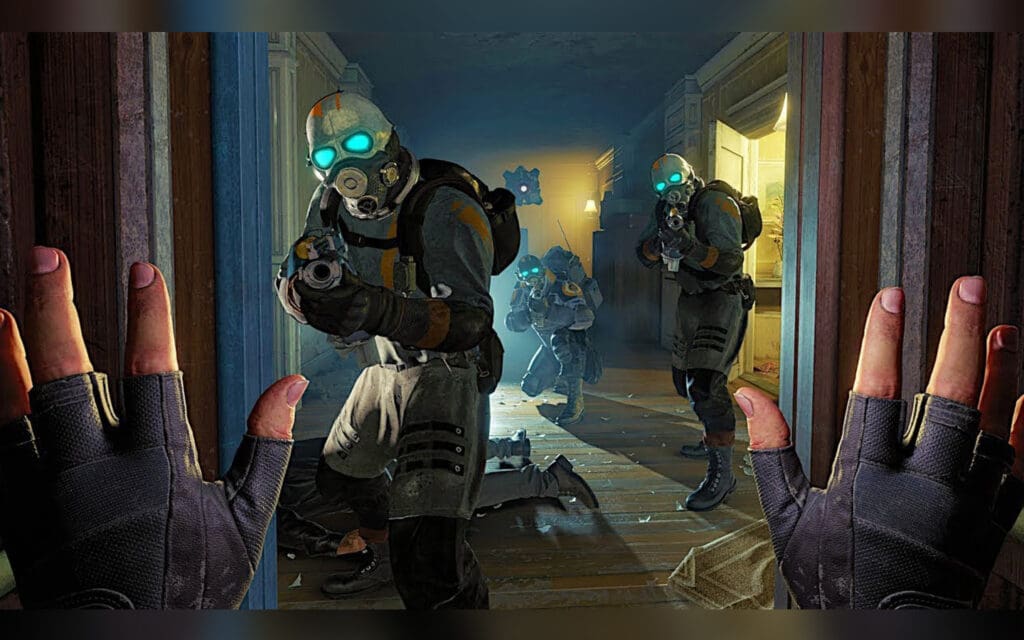
VR games immerse players in interactive environments that often require full-body movement and quick reflexes. Engaging with VR content can enhance spatial awareness and hand-eye coordination as players navigate virtual spaces and interact with digital objects.
12. Piano or Keyboard Playing

Learning to play the piano or keyboard involves reading music and translating it into precise finger movements. This practice enhances coordination between visual cues and hand actions, benefiting overall dexterity.
13. Badminton
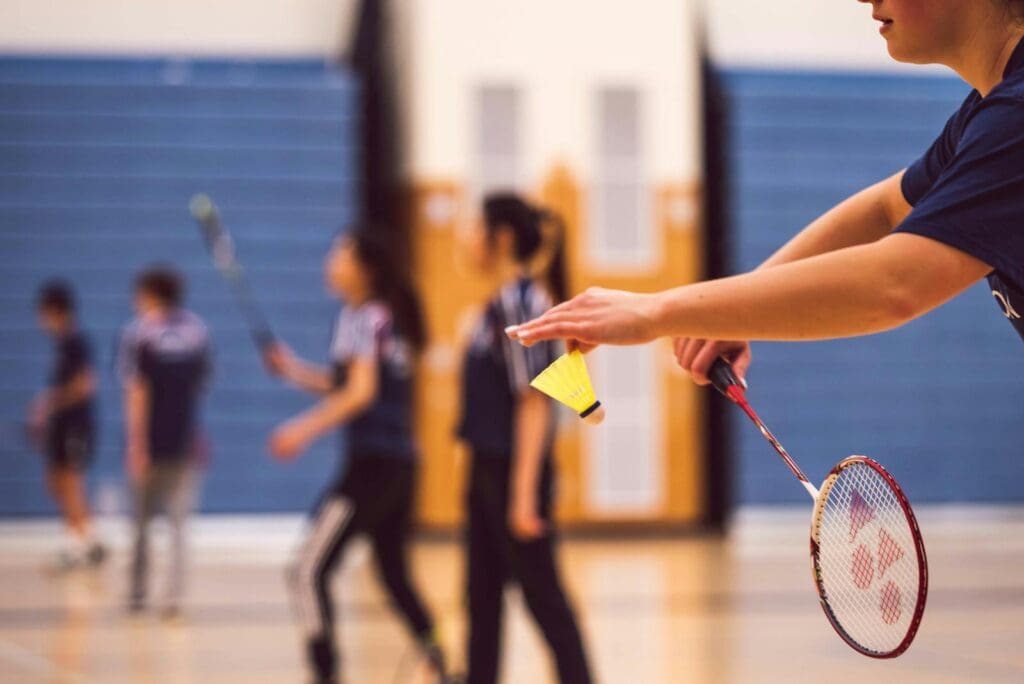
Badminton is a fast-paced sport that demands quick reactions and precise hand movements. Tracking the shuttlecock and positioning your racket accordingly can significantly improve hand-eye coordination.
Read More: 15 Easy Ways to Incorporate Gaming into Family Time
14. Drawing or Painting
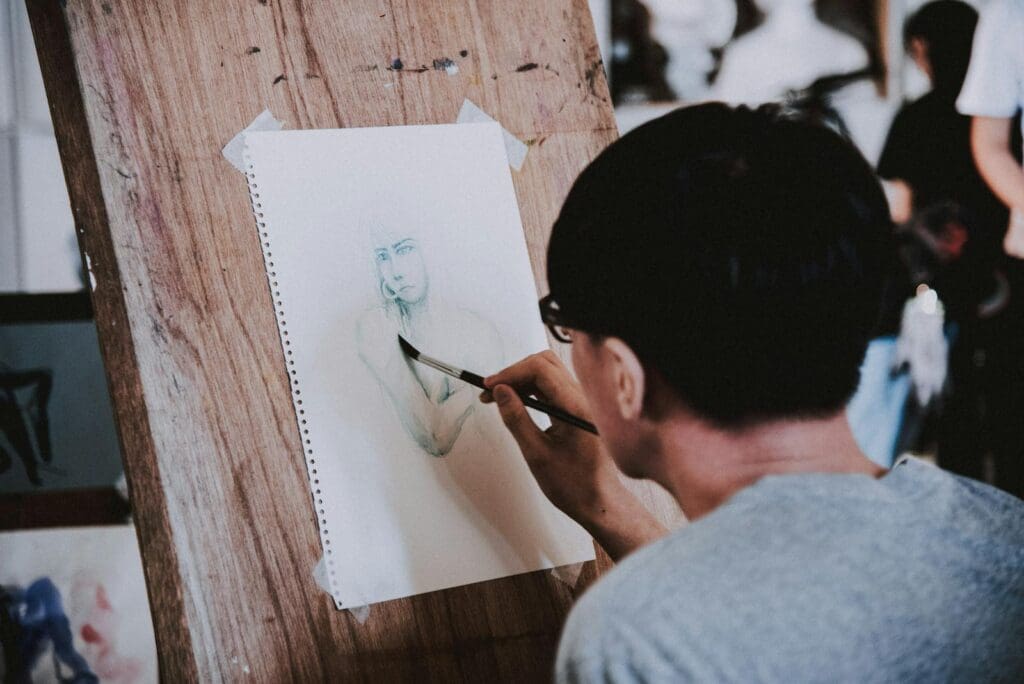
Engaging in artistic activities like drawing or painting requires careful observation and controlled hand movements. These practices can enhance fine motor skills and the ability to coordinate visual information with hand actions.
Read More: 15 Real-Life Skills You Didn’t Realize Gaming Taught You
15. Playing Musical Instruments

Learning to play musical instruments, such as the guitar or violin, involves coordinating hand movements with visual cues from sheet music or the instrument itself. This activity enhances dexterity and hand-eye coordination through practice and repetition.
Incorporating these activities into your routine can lead to noticeable improvements in hand-eye coordination. Consistent practice and gradually increasing the complexity of these exercises will yield the best results.
Read More: 10 Essential Stretches to boost your gaming skills